Call on Whatsapp or Line 24/7
Altitude Sickness in Nepal: Symptoms, Prevention and Care
Nepal mountains are majestic let’s make sure your journey stays that way.
Imagine this you’re ascending through Rhododendron forest, watching the sunrise paint snow-caped peaks in gold. The air gets thinner, your heart beats faster and suddenly something feels off, headache, Nausea, Dizziness.
Altitude sickness or Acute Mountain sickness (AMS), is a real challenge for trekkers venturing above 2500m . Whether you are headed to Manaslu Circuit or exploring hidden gems like Mardi Himal , knowing how to prevent and manage AMS can make the difference between a glorious summit photo and a premature descent. At ascend treks, we don’t just guide we care deeply about your safety, comfort and experience. Here’s everything you need to know before climbing higher.
What is Altitude Sickness?
Altitude Sickness is your body’s response to reduced oxygen level of higher elevations. The higher you go, the thinner the air becomes and less oxygen reaches your lunge and brain.
Symptoms of Altitude Sickness
- Headache
- Being tired and lazy
- Lack of appetite
- Nausea and vomiting
- Body tingling and dizziness
- upon exertion, shortness of breath
- Bleeding from the nose
How to prevent Altitude Sickness: A practical Guide for Trekkers
Prevention starts before you lace up your boots and continues with every step toward higher elevation. At Ascend Treks we follow these golden rules to keep your journey safe:
1. Ascend Slowly
- After reaching 2500m, keep altitude gain to 300-500 meters per day.
- Every 1000m of ascend should include at least one rest day,
- Follow the Mantra “climb high sleep low” trek to higher elevation during the day but sleep at lower altitudes.
2. Stay Hydrated
- Drink 3-4 liters of water daily, dehydration increases Altitude Sickness (AMS) risk.
- Avoid alcohol, caffeine and sugary drinks while trekking.
- Electrolyte -rich drink can help maintain hydration balance.
3. Eat High Carb Meals
- Carbohydrates require less oxygen to metabolize than fats and proteins.
- Enjoy snakes like boiled potatoes , rice pasta or trekking bars.
- Eat even when you don’t feel hungry, loss of appetite is an early AMS symptoms.
4. Rest and Acclimatize
- Don’t underestimate fatigue, rest often and don’t rush
- Take planned acclimatization hikes to slightly higher points, then return to sleep lower.
- Prioritize sleep quality and avoid over exertion
5. Consider Preventive Medication
- Talk your doctor about Diamox (acetazolamide) it can help your body adapt.
- Start taking it 1-2 days before ascend if medically recommended .
- Know the potential side effects (tingling, increased urination) so they don’t surprise you.
6. Know Your Body and Listen to it
- Recognize early signs of AMS (headache, nausea, dizziness).
- Communicate with guides and fellow trekkers if you feel off.
- No goal is worth pushing through serious symptoms, trust your instincts.
7. Trek With Trusted Guides
- Ascend Trek’s guides monitor trekker’s health daily and adjust pace accordingly.
- Emergency action plans and access to medical help are built into every itinerary.
- We ensure trekkers of all backgrounds and fitness level can enjoy the adventure safely.
What To Do If You Get Altitude Sickness
Getting altitude sickness is not a failure, it’s a physiological reaction that requires attention, not bravery. Here’s how to respond clearly and calmly:
1. Stop climbing Immediately
If symptoms like headache, nausea or dizziness appear, do not ascend further. Ascending worsen AMS and can escalate it into serious conditions.
2. Rest and Dehydrate
- Find a shaded , comfortable spot and take a break.
- Drink clean water or warm fluids slowly.
- Avoid strenuous activity until symptoms subside.
3. Descend Without Delay
- If symptoms persist or worsen, descend by 500-1000 meters.
- Descending is the most effective treatment it relieves pressure and restores oxygen levels.
4. Use Medication
- Diamox (acetazolamide) can speed up acclimatization, only take it if you have discussed it with a doctor beforehand.
- Avoid self dosing without proper guidance.
- Ibuprofen or paracetamol may ease headaches but they don’t treat AMS directly
5. Inform your Guide
- Never downplay symptoms, guides need to know to active the right plan
Guide are trained to:
- Monitor AMS symptoms
- Track oxygen saturation
- coordinate descents or evacuation if needed
6. Know when it’s an Emergency
if those signs appear, it’s time for immediate descent or medical evacuation:
- Confusion or disorientation
- Vomiting that doesn’t stop
- Inability to walk straight
- Shortness of breath while at rest
- Chest tightness or ratting breath
The Important of Acclimatization in Trekking Nepal’s High Himalayas
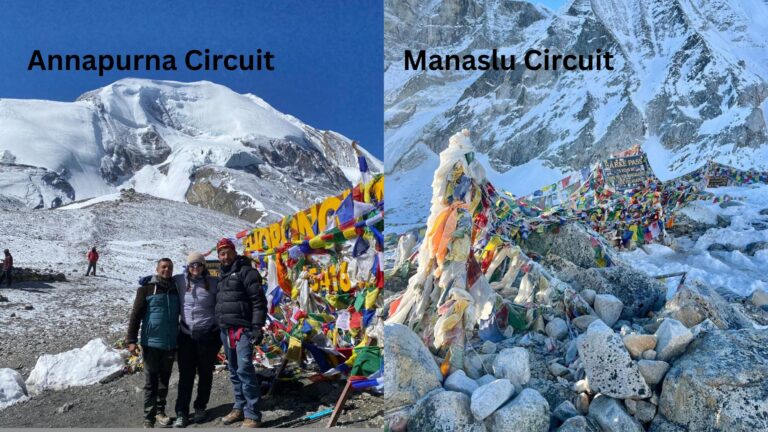
Trekking in Nepal is an awe-inspiring adventure drawing global trekking to routes like Everest Base Camp, Annapurna Circuit, Manaslu Circuit and Langtang Valley. But as altitude climbs above 2500 meters, the air gets thinner and so does your margin for safety. That’s why acclimatization must be viewed not just as a precaution but as an essential trekking practice.
Why Acclimatization is a Mater of Survival?
Acclimatization allows your body to slowly adapt to reduced oxygen level at high elevation. By pacing your ascend, resting at key intervals and listening to your body, you lower the risk of Acute Mountain that can escalate into serious emergencies like High Altitude Pulmonary Edema (HAPE) or High Altitude Cerebral Edema (HACE). No views is worth compromising your safety. Smart acclimatization ensures you not only reach your goal but truly enjoy the journey.
Conclusion
Altitude isn’t just a numbers its’s a challenge your body must meet. with proper acclimatization every trek becomes not just safer but more rewarding. At Ascend Treks, we guide you with care so your journey uplifts both spirit and strength.